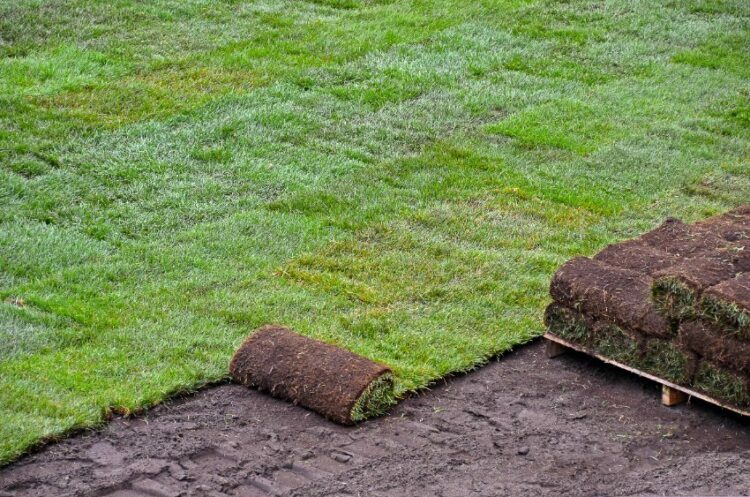
New sod can transform your yard instantly, but it takes time for the grass to establish strong roots in the soil. Proper rooting is essential for long-term lawn health, durability, and appearance. Understanding how long sod takes to root—and how to care for it during this period—can help ensure your new lawn thrives.
In North Texas, sod rooting time depends on grass type, weather conditions, and proper watering.
Average Time for Sod to Root
Most sod begins rooting within 10 to 14 days, but full root establishment typically takes 4 to 6 weeks.
Here’s a general timeline:
| Time After Installation | What Happens |
|---|---|
| 0–7 days | Sod begins attaching to soil surface |
| 10–14 days | Early root growth begins |
| 2–3 weeks | Sod becomes more stable and harder to lift |
| 4–6 weeks | Strong root system fully established |
Warm-season grasses common in North Texas, such as Bermuda and St. Augustine, tend to root faster during warm weather.
How to Tell If Your Sod Has Rooted
One simple test is the gentle pull test. Carefully tug on a corner of the sod:
-
If it lifts easily, roots are still developing
-
If it resists movement, roots are establishing
-
If it feels firmly attached, rooting is successful
You may also notice improved color, growth, and overall lawn stability.
Factors That Affect Sod Rooting Time
Several factors influence how quickly sod roots:
1. Watering
Consistent watering is critical during the first few weeks. Sod needs moisture to encourage root growth, but overwatering can cause problems.
2. Temperature
Warm temperatures between 75°F and 90°F promote faster rooting. Cold weather slows root development.
3. Soil Preparation
Properly prepared soil helps sod root faster. Loose, level soil allows roots to penetrate easily.
4. Grass Type
Some grasses root faster than others. Bermuda grass typically establishes quickly, while St. Augustine may take slightly longer.
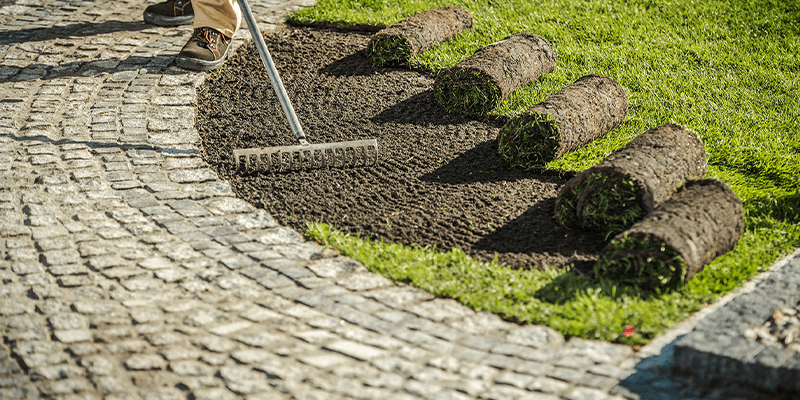
Watering Schedule for Proper Rooting
Following the correct watering schedule helps promote strong roots:
| Time Period | Watering Frequency |
|---|---|
| First 2 weeks | Water daily to keep sod moist |
| Weeks 3–4 | Water every 2–3 days |
| After 4 weeks | Transition to normal watering schedule |
Avoid letting sod dry out completely during the early rooting phase.
When Can You Walk on New Sod?
Limit foot traffic for at least 2 to 3 weeks after installation. Walking on sod too early can disrupt root development and cause uneven growth.
Once roots are established, normal use can resume.
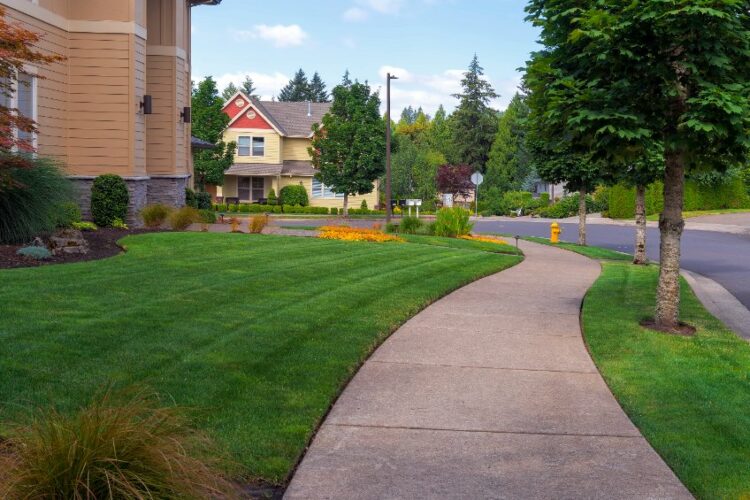
Signs Your Sod Is Rooting Properly
Healthy rooting sod will show:
-
Green, vibrant color
-
Resistance when pulled
-
Even growth across the lawn
-
No gaps between sod pieces
Proper care during the first month is essential for long-term success. Find out when to mow new sod and how to do it correctly.

Common Mistakes That Slow Rooting
Avoid these common issues:
-
Underwatering or overwatering
-
Walking on sod too soon
-
Poor soil preparation
-
Installing sod during extreme heat or cold
-
Improper installation
Professional installation and proper aftercare can significantly improve results.
Professional Sod Installation Ensures Faster Rooting
Professional landscapers ensure proper soil preparation, installation, and aftercare guidance. This helps sod root faster and develop into a healthy, durable lawn.
If your sod is not rooting properly or you want professional installation, expert service can help ensure long-term success.
Final Thoughts
Most sod begins rooting within 10–14 days and fully establishes within 4–6 weeks. Proper watering, minimal foot traffic, and correct installation are key to successful root development.
With the right care, your new sod will quickly develop into a healthy, beautiful lawn that enhances your home’s curb appeal for years to come.